
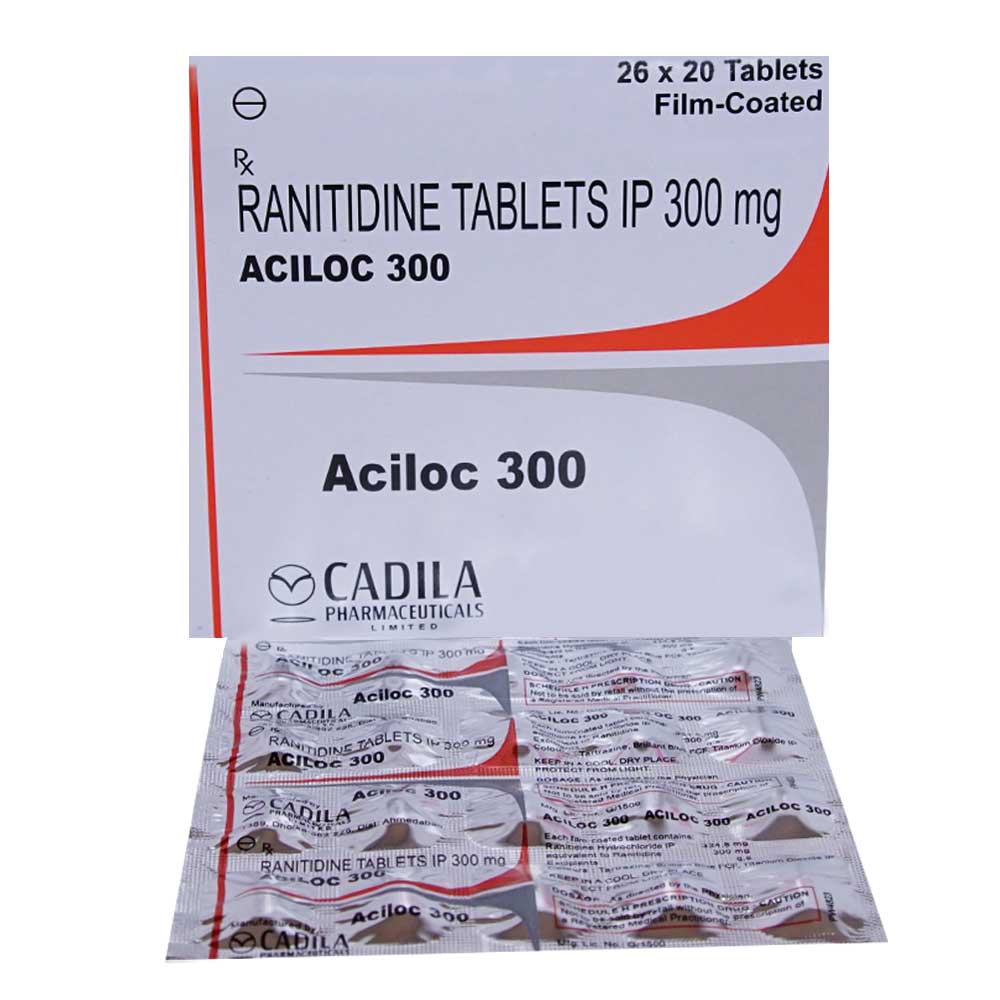
Aciloc 300 Tablet (Ranitidine 300mg) Aciloc 300 Tablet (Ranitidine 300mg) is a medication that reduces stomach acid production. It is instrumental in treating and preventing heartburn, indigestion, stomach ulcers, and gastroesophageal reflux disease (GERD). By controlling stomach acid levels, it alleviates discomfort and promotes healing of the stomach lining. To maximize its effectiveness, it should be taken as prescribed by a doctor. Additionally, making dietary adjustments like eating smaller meals and avoiding spicy foods can further enhance its benefits. Uses of Aciloc 300 Tablet (Ranitidine 300mg) Treatment of Gastroesophageal reflux disease (Acid reflux) Treatment of Peptic ulcer disease Prevention of stomach ulcers associated with painkillers Treatment of conditions with excessive stomach acid production Treatment of Zollinger-Ellison syndrome Gastroesophageal reflux disease (GERD): This chronic condition occurs when a muscle above the stomach relaxes excessively, allowing stomach contents to flow back into the esophagus and mouth. Aciloc 300 Tablet (Ranitidine 300mg) reduces stomach acid production and alleviates associated pain. Peptic ulcer disease: Stomach ulcers, often caused by NSAIDs or Helicobacter pylori bacteria, result from the stomach's compromised defense against acid. Aciloc 300 Tablet (Ranitidine 300mg) helps treat these ulcers by reducing stomach acid, supporting natural healing. Prevention of stomach ulcers with painkillers: Painkillers like NSAIDs can cause stomach ulcers. Aciloc 300 Tablet (Ranitidine 300mg) is prescribed to prevent ulcer formation by minimizing stomach acid levels. Conditions with excessive stomach acid: Certain medical conditions lead to high stomach acid production. Aciloc 300 Tablet (Ranitidine 300mg) reduces acid levels, providing relief and preventing complications. Zollinger-Ellison syndrome: This rare condition involves tumors that cause the stomach to produce excessive acid. Aciloc 300 Tablet (Ranitidine 300mg) helps control acid levels, alleviating symptoms and preventing damage. Safety & Precautions Consult your doctor if you have kidney or liver problems. Inform your doctor about all medications you are taking. Avoid alcohol consumption as it increases stomach acid and worsens symptoms. Do not take the medicine beyond the prescribed duration. It is usually considered safe during pregnancy and breastfeeding if prescribed by a doctor. Consult your doctor if side effects persist or are bothersome. Do not eat within 3-4 hours of going to bed. Adopt lifestyle changes like smaller meals and avoiding trigger foods. Ensure the medicine is stored below 30°C. Avoid crushing, chewing, or breaking the tablet. Side Effects Most side effects do not require any medical attention and disappear as your body adjusts to the medicine. Consult your doctor if they persist or if you're worried about them. Headache Diarrhea Constipation Gastrointestinal disturbance Drowsiness Fatigue Nausea Vomiting Rash Difficulty urinating Dizziness Abdominal pain Flatulence Insomnia Muscle pain FAQ 1. What is Aciloc 300 Tablet (Ranitidine 300mg) used for? Aciloc 300 Tablet (Ranitidine 300mg) is used to treat and prevent various conditions caused by excessive stomach acid, such as GERD, peptic ulcer disease, and stomach ulcers associated with painkillers. It also helps manage conditions causing high stomach acid production, like Zollinger-Ellison syndrome. 2. How should I take Aciloc 300 Tablet (Ranitidine 300mg)? Take Aciloc 300 Tablet (Ranitidine 300mg) as prescribed by your doctor. Swallow it whole without crushing, chewing, or breaking it. It can be taken with or without food, but it is beneficial to take it at a fixed time each day to maintain consistent levels in your body. 3. Can I drink alcohol while taking Aciloc 300 Tablet (Ranitidine 300mg)? Avoid drinking alcohol while taking Aciloc 300 Tablet (Ranitidine 300mg) as it can increase the amount of acid in your stomach, worsening your symptoms and potentially reducing the effectiveness of the medication. 4. Are there any dietary recommendations while taking Aciloc 300 Tablet (Ranitidine 300mg)? Yes, adopting certain dietary habits can enhance the effectiveness of Aciloc 300 tablets (Ranitidine 300mg). Eat smaller, more frequent meals and avoid foods that trigger your symptoms, such as spicy or fatty foods. Avoid eating within 3-4 hours of bedtime to minimize nighttime symptoms. 5. Is Aciloc 300 Tablet (Ranitidine 300mg) safe during pregnancy and breastfeeding? Aciloc 300 Tablet (Ranitidine 300mg) is generally considered safe to use during pregnancy and breastfeeding if prescribed by a doctor. However, always consult your healthcare provider before starting any new medication during pregnancy or breastfeeding to ensure it is appropriate for your specific situation. 6. What should I do if I experience side effects from Aciloc 300 Tablet (Ranitidine 300mg)? Most side effects of Aciloc 300 Tablet (Ranitidine 300mg) are mild and temporary, such as headache, diarrhea, and gastrointestinal disturbances. If any side effects persist or become bothersome, consult your doctor. They may adjust your dosage or suggest an alternative treatment to minimize side effects. Read more Additional Information on Ranitidine Ranitidine, known under commercial products like Aciloc 300 Tablet Ranitidine (300mg), has been a pivotal medication in treating various gastrointestinal disorders. This section delves deeper into essential information beyond the basic description, safety precautions, and side effects previously covered. We'll explore clinical dosage guidelines, drug interactions, and warnings associated with its use. Dosages of Ranitidine Formulation Strength Injection solution 25 mg/mL Syrup 15 mg/mL Tablet 75 mg, 150 mg, 300 mg Adult Dosage Considerations Gastroesophageal Reflux Disease (GERD): 150 mg orally every 12 hours or 50 mg intramuscularly/intravenously every 6-8 hours Gastric Ulcer (Benign): 150 mg orally every 6 hours or 50 mg intramuscularly/intravenously every 6-8 hours Hypersecretory Conditions: 150 mg orally every 12 hours, up to 6 g/day Zollinger-Ellison Syndrome: Start intravenous infusion at 1 mg/kg/hour; adjust upwards in 0.5 mg/kg/hour increments (max 2.5 mg/kg/hour or 220 mg/hour) Stress Ulcer Prophylaxis (Off-label): 150 mg orally or nasogastric every 12 hours; 50 mg intramuscularly/intravenously every 6-8 hours Dosing Modifications Renal Impairment: Creatinine clearance less than 50 mL/min: 50 mg intravenously/intramuscularly every 18-24 hours or 150 mg orally once daily Hepatic Impairment: Dosage adjustment is not necessary Pediatric Dosage Considerations Active Duodenal/Gastric Ulcer: 4-8 mg/kg orally every 12 hours; not to exceed 300 mg/day Maintenance: 2-4 mg/kg orally once daily; not to exceed 150 mg/day Gastroesophageal Reflux Disease (GERD) - Ages 1 month - 16 years: 5-10 mg/kg/day orally divided every 12 hours; not to exceed 300 mg/day Erosive Esophagitis - Ages 1 month - 16 years: 5-10 mg/kg/day orally divided every 12 hours; not to exceed 300 mg/day Neonates (Off-label): Term neonates less than 29 days old: 2-4 mg/kg/day orally divided every 8-12 hours or 2 mg/kg/day intravenously divided every 8 hours Drug Interactions Understanding potential drug interactions is essential when prescribing or taking Ranitidine. These interactions can range from mild to serious and need careful monitoring. Severe Drug Interactions Atazanavir Dasatinib Delavirdine Erlotinib Itraconazole Ivacaftor Ketoconazole Mesalamine Pazopanib Ponatinib Risedronate Moderate Drug Interactions Ranitidine has moderate interactions with at least 51 different drugs. Some notable interactions include: Ethosequinolone Fosphenytoin Midodrine Miglitol Ethotoin Mild Drug Interactions Alendronate Blessed Thistle Ceftibuten Cyanocobalamin Devil's Claw Precautionary Measures and Special Warnings for Ranitidine Use Continued care and necessary precautionary steps are vital in maximizing the therapeutic benefits and minimizing the risk associated with the use of Ranitidine. General Precautions Symptom relief does not rule out the presence of gastric malignancy. Reversible state of confusion reported; most common in older adults and patients with renal, and hepatic impairment. Dosing Cautions Avoid increasing the dose if GERD does not respond in 6-8 weeks; prescribe proton pump inhibitors instead. Monitor ALT levels with higher doses (>100 mg) or prolonged IV therapy (>5 days). Pregnancy and Lactation Ranitidine may be acceptable during pregnancy based on animal studies showing no risk; one should still consult their healthcare provider. Ranitidine transfers into breast milk, therefore caution is advised; discontinue use if lactating. It is essential to consult with healthcare providers for personalized advice on medication regimens, especially when considering potential drug interactions and precautionary measures. Citations: FDA. "FDA Requests Removal of All Ranitidine Products (Zantac) from the Market." 2020, www.fda.gov. Micromedex. "Ranitidine." IBM Micromedex, www.ibm.com/micromedex. Mayo Clinic. "Ranitidine (Oral Route)." Mayo Clinic, www.mayoclinic.org.
Price: $9.00 from HealthyRXS
| Stockist | Price | |
|---|---|---|
| $9.00 | Visit Store |
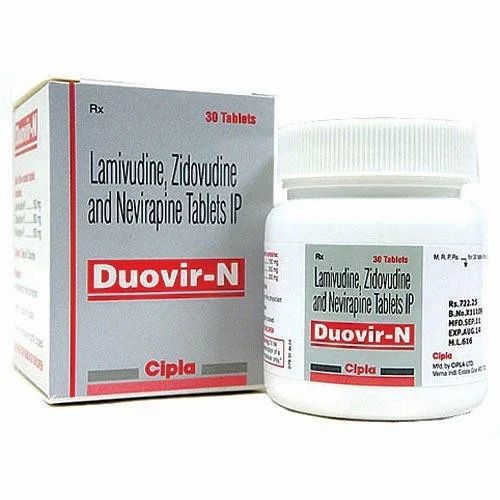
Duovir Tablet (Lamivudine 150mg + Zidovudine 300mg) Duovir Tablet (Lamivudine 150mg + Zidovudine 300mg) is a powerful combination of two antiretroviral drugs designed to combat HIV infection. This medication enhances the immune system's ability to fight...
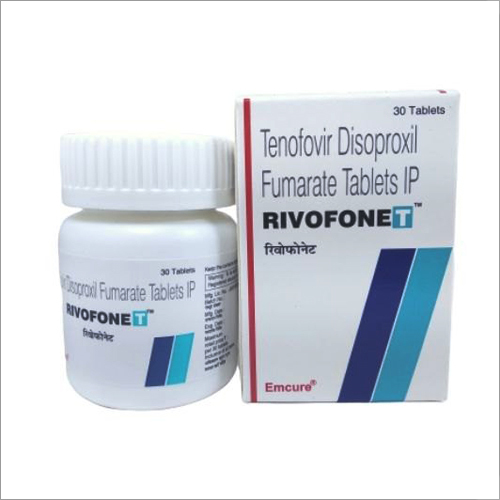
Rivofonet Tablet (Tenofovir disoproxil fumarate 300mg) Rivofonet Tablet (Tenofovir disoproxil fumarate 300mg) is a potent antiviral medication used primarily in the management of chronic hepatitis B virus (HBV) infection and HIV infection when combined...

Tenvir (Tenofovir disoproxil fumarate 300mg) tablet is used to treat chronic hepatitis B virus (HBV) infection and HIV infection in combination with other anti-HIV medicines. It prevents the multiplication of viruses in human cells, stopping the virus...