
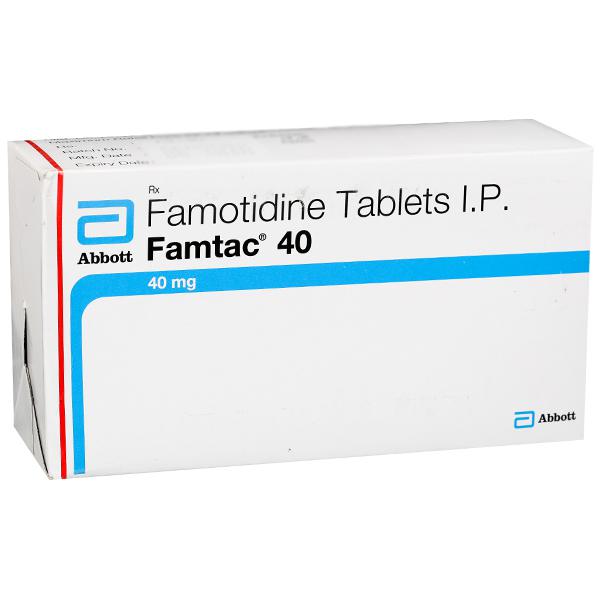
Famtac Tablet (Famotidine 40mg) Famtac Tablet (Famotidine 40mg) is a potent antacid designed to reduce the amount of acid produced in the stomach. It is effective in treating and preventing various conditions caused by excess stomach acid, such as heartburn, indigestion, stomach ulcers, and reflux disease. Additionally, it is commonly used to prevent stomach ulcers and heartburn that result from the use of painkillers. The tablet should be taken as prescribed, with water, and must be consumed in the dose and duration advised by a doctor. Uses Of 'Famtac Tablet (Famotidine 40mg)' Treatment of Gastroesophageal Reflux Disease (Acid reflux) Treatment of Peptic Ulcer Disease Treatment of Heartburn Prevention of Stomach Ulcers due to Painkillers Management of Rare Excessive Acid Conditions Treatment of Gastroesophageal Reflux Disease (Acid reflux). Gastroesophageal Reflux Disease, or GERD, is a chronic condition where stomach acid consistently flows back into the esophagus, causing discomfort. Famtac Tablet (Famotidine 40mg) reduces the production of stomach acid and alleviates associated pain. Treatment of Peptic Ulcer Disease. Peptic ulcers form when the stomach's defensive lining is compromised, often by NSAIDs or Helicobacter pylori. Famtac Tablet (Famotidine 40mg) helps by reducing acid production, allowing the ulcers to heal. Treatment of Heartburn. Heartburn is characterized by a burning sensation in the chest caused by stomach acid traveling back toward the throat. Famtac Tablet (Famotidine 40mg) relieves this discomfort by reducing acid production. Prevention of Stomach Ulcers due to Painkillers. The chronic use of certain painkillers can lead to stomach ulcers. Famtac Tablet (Famotidine 40mg) helps prevent this by reducing stomach acid production, thereby protecting the stomach lining. Management of Rare Excessive Acid Conditions. Though rare, some conditions lead to excessive acid production in the stomach. Famtac Tablet (Famotidine 40mg) is prescribed to manage and control these conditions effectively. Safety & Precautions Consult your doctor if you have kidney or liver disease. Avoid alcohol as it can increase stomach acid. Do not take in severe stomach disease. Inform your doctor about any other medications you are taking. Follow the prescribed dosage strictly. Avoid spicy or oily foods to help the medicine work better. Do not eat within 3-4 hours before bedtime. It is generally safe during pregnancy if prescribed by a doctor. It is probably safe during breastfeeding as it poses no significant risk. Consult your doctor if symptoms persist or worsen after 14 days of treatment. Side Effects Most side effects do not require any medical attention and disappear as your body adjusts to the medicine. Consult your doctor if they persist or if you're worried about them. Headache Dizziness Diarrhea Constipation FAQ 1. How should I take Famtac Tablet (Famotidine 40mg)? You should take Famtac Tablet (Famotidine 40mg) exactly as prescribed by your doctor. Swallow it whole with water before or after a meal. Do not chew, crush, or break the tablet. Following your doctor’s specific dosage instructions is crucial for the effectiveness of the medication. 2. Can I drink alcohol while taking Famtac Tablet (Famotidine 40mg)? It is unsafe to consume alcohol while taking Famtac Tablet (Famotidine 40mg). Alcohol increases the amount of acid in your stomach, which can worsen your symptoms and potentially counteract the benefits of the medication. 3. What should I avoid eating while taking Famtac Tablet (Famotidine 40mg)? To help Famtac Tablet (Famotidine 40mg) work more effectively, avoid spicy or oily foods as they can trigger heartburn and acid reflux. Eating smaller, more frequent meals rather than large meals can also be beneficial in managing your symptoms. 4. Is Famtac Tablet (Famotidine 40mg) safe during pregnancy and breastfeeding? Famtac Tablet (Famotidine 40mg) is generally considered safe to use during pregnancy and breastfeeding if it has been prescribed by a doctor. Animal studies have shown low or no adverse effects, but there are limited human studies. Consult your doctor before taking this medication if you are pregnant or breastfeeding. 5. Can Famtac Tablet (Famotidine 40mg) be used to treat chronic conditions? Yes, Famtac Tablet (Famotidine 40mg) can be used to manage certain chronic conditions like Gastroesophageal Reflux Disease (GERD) and chronic peptic ulcers. It works by reducing stomach acid production, providing relief from these long-term ailments. Follow your doctor's advice on the duration of use for chronic conditions. 6. What should I do if I miss a dose of Famtac Tablet (Famotidine 40mg)? If you miss a dose of Famtac Tablet (Famotidine 40mg), take it as soon as you remember unless it's almost time for your next dose. Do not double the dose to make up for the missed one. Follow your doctor's instructions and try to take the medication at the same time each day to maintain its effectiveness. Read more Dosages of Famotidine Famotidine is available in multiple dosages and forms, tailored for both adult and pediatric use. Here is a detailed breakdown of available dosages and recommended usage: Form Dosage Injectable Solution 10 mg/ml, 0.4 mg/ml Oral Suspension 40 mg/5 ml Tablet 10 mg, 20 mg Duodenal Ulcer: Acute treatment: 20 mg orally or intravenously every 12 hours, or 40 mg orally at bedtime for 4-8 weeks Maintenance: 20 mg orally at bedtime Benign Gastric Ulcer: 40 mg orally at bedtime Gastroesophageal Reflux Disease (GERD): Adults: 20 mg orally every 12 hours for 6 weeks With esophagitis: 20-40 mg orally every 12 hours for up to 12 weeks Children under 3 months: 0.5 mg/kg orally once daily for up to 8 weeks Children 3-12 months: 0.5 mg/kg orally every 12 hours for up to 8 weeks Children 1-16 years: 1 mg/kg/day orally divided every 12 hours; individual dose not to exceed 40 mg Hypersecretory Conditions: 20 mg orally or intravenously every 6 hours, may increase up to 160 mg every 6 hours Heartburn: Adults: 10-20 mg every 12 hours, taken 15-60 minutes before eating foods that could cause heartburn Children under 12 years: Not established Children 12 years or older: 10-20 mg every 12 hours, taken 15-60 minutes before eating foods that could cause heartburn Dosing Modifications: For creatinine clearance less than 50 mL/min, give 50% of the usual dose, or prolong dosing interval to every 36-48 hours Peptic Ulcer (Pediatric): 1-16 years: 0.25 mg/kg intravenously every 12 hours or 0.5 mg/kg orally at bedtime; not to exceed 40 mg/day Drug Interactions: What Other Drugs Interact with Famotidine? Famotidine can interact with various drugs, which may affect the efficacy or safety of the therapy. It's crucial to inform your doctor of all the medications you are taking to avoid potential interactions. Here is a comprehensive list of known interactions: No known severe interactions with any drugs have been reported. However, there are several serious and mild interactions to consider: Serious Interactions of Famotidine: Atazanavir Bosutinib Dapsone Dasatinib Delavirdine Digoxin Indinavir Itraconazole (both capsule and oral solution) Ketoconazole Mefloquine Pazopanib Pimozide Ponatinib Risedronate Vandetanib Mild Interactions of Famotidine: Alendronate Aripiprazole Axitinib Blessed Thistle Ceftibuten Cyanocobalamin Devil's Claw Metformin Phytoestrogens Before starting Famotidine, ensure you consult your doctor or pharmacist about all other medications you are taking. Contraindications and Health Considerations for Famotidine Here are the primary contraindications for using Famotidine, as well as other health considerations that should be taken into account: Hypersensitivity to famotidine or other H2-receptor antagonists Effects of Drug Abuse: None reported Short-Term Effects: Refer to the "What Are Side Effects Associated with Using Famotidine?" section Long-Term Effects: Increased risk of GI ulcers with prolonged use. Refer again to the side effects section Cautions: Use with caution in patients with renal impairment; dosage adjustment recommended in moderate to severe renal impairment (Creatinine clearance less than 50 mL/min) Prolonged QT interval reported (rare) in patients with renal impairment whose dose or dosing interval may not have been adjusted appropriately Central nervous system adverse effects reported with moderate-to-severe renal impairment Relief of symptoms does not eliminate the presence of gastric malignancy State of confusion reported with use; risk increased in patients over 50 years of age and/or kidney or liver impairment Prolonged treatment (over 2 years) may lead to vitamin B12 malabsorption, which can result in vitamin B12 deficiency; magnitude of deficiency is dose-related; occurs most frequently in females and individuals younger than 30 years Patients should not use over-the-counter (OTC) if they have difficulty swallowing, are vomiting blood, or have bloody or black stools Not for over-the-counter (OTC) use with other acid reducers Pregnancy and Lactation Famotidine can be used during pregnancy and lactation under certain circumstances: Famotidine use during pregnancy may be acceptable. Either animal studies have shown no risk but human studies are not available, or animal studies showed minor risks and human studies were done and showed no risk. Famotidine enters breast milk; therefore, its use is not recommended while breastfeeding. In-depth Review of Famotidine's Role in Treating Ulcers and GERD Famotidine, known by brand names such as Pepcid, Zantac 360, Act, Dyspep HB, Fluxid, and Acid Controller, serves as an essential treatment for various gastrointestinal conditions. Famotidine is particularly effective in treating ulcers, GERD, and Zollinger-Ellison syndrome by reducing stomach acid production, thus alleviating associated symptoms like heartburn, pain, and difficulty swallowing. Mechanism of Action: How Famotidine Works Famotidine belongs to the H2 blocker class of medications. It works by inhibiting the action of histamine on the H2 receptors of the stomach lining, which in turn reduces acid production. By lowering the amount of acid, Famotidine provides relief from symptoms and also facilitates the healing process of stomach and intestinal ulcers. Summary and Key Points Famotidine is a multifaceted drug used for treating various gastrointestinal disorders, including ulcers and GERD. Its efficacy comes from its ability to inhibit stomach acid production through the blocking of H2 receptors. However, awareness about potential side effects, contraindications, and drug interactions is crucial for effective and safe use. Always consult with healthcare providers regarding any concerns or other medications you may be taking alongside Famotidine for optimal results. For detailed information on side effects, drug interactions, and contradictions, refer to the specified sections. Citations for all data presented are consolidated from FDA-approved materials and peer-reviewed medical literature to ensure the accuracy and reliability of information.
Price: $12.00 from HealthyRXS
| Stockist | Price | |
|---|---|---|
| $12.00 | Visit Store |
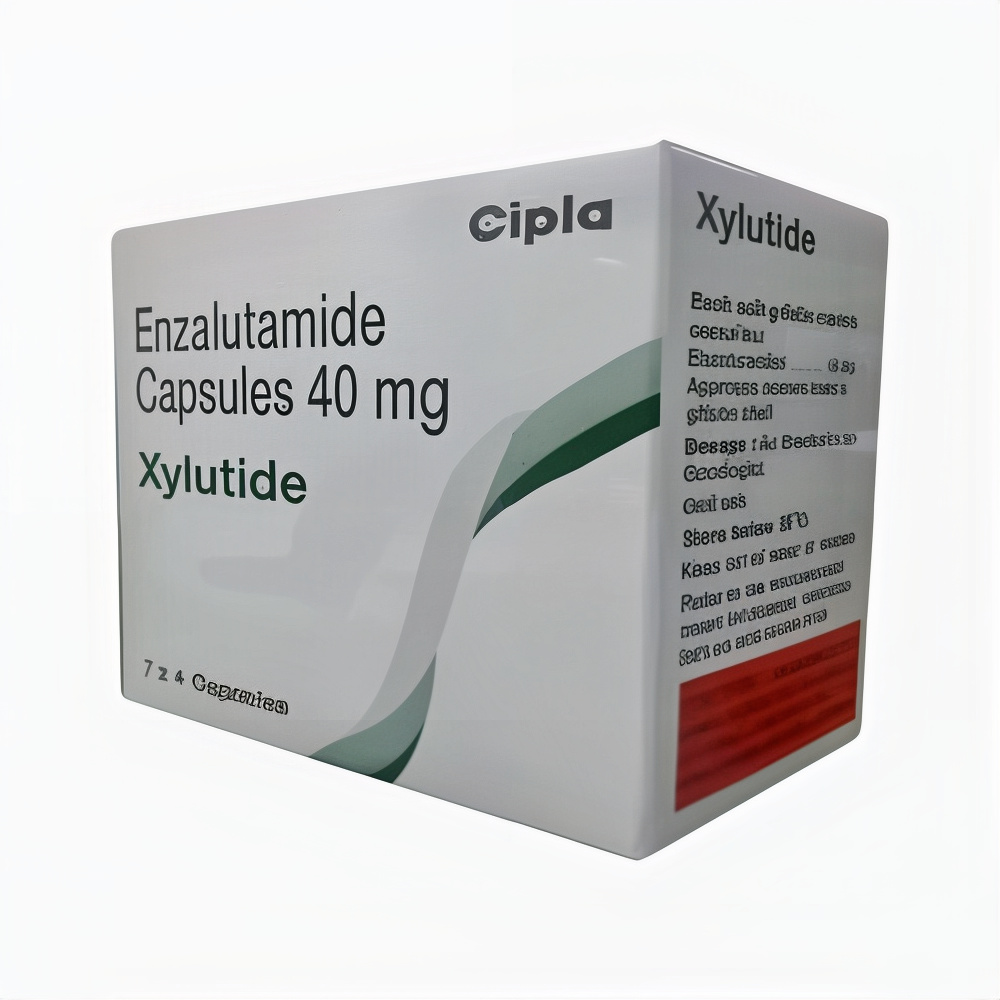
Xylutide 40mg Capsule (Enzalutamide 40mg) is primarily used in the treatment of prostate cancer by blocking the effects of male hormones like testosterone. This medication can also be utilized to treat other medical conditions as determined by your healthcare...
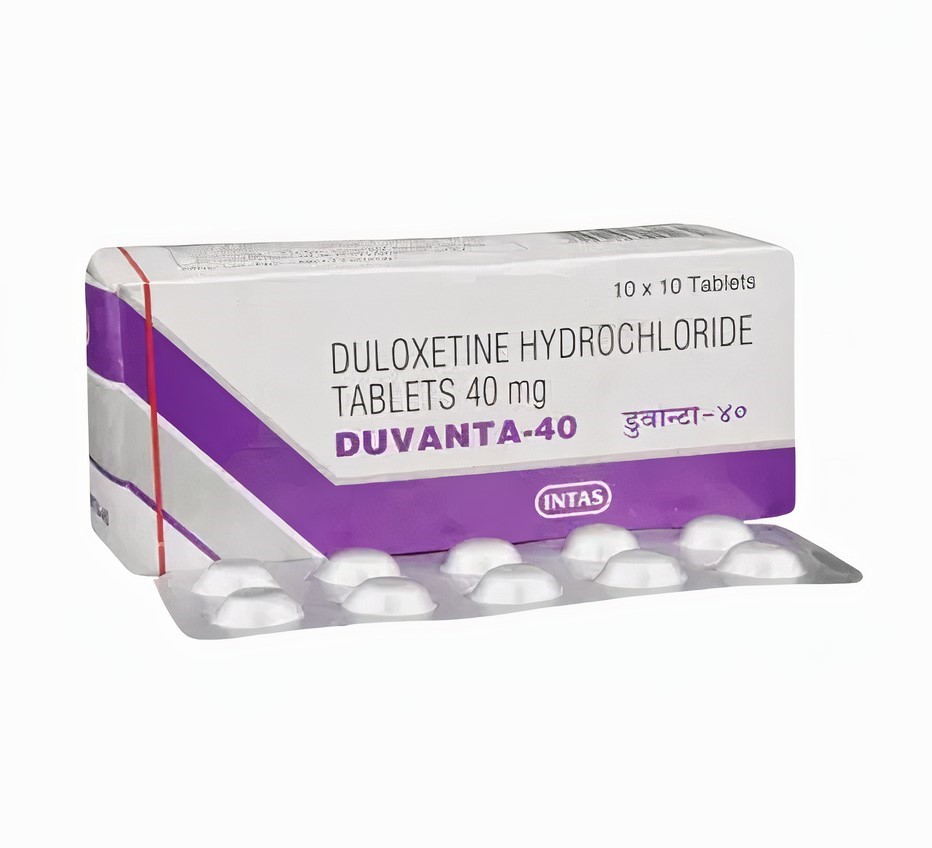
Duvanta 40 (Duloxetine 40mg)Tablet is used in the treatment of depression, anxiety disorder, diabetic nerve pain, fibromyalgia (a condition in which there is generalized pain and tenderness in the body), neuropathic pain, and stress urinary incontinence. ...
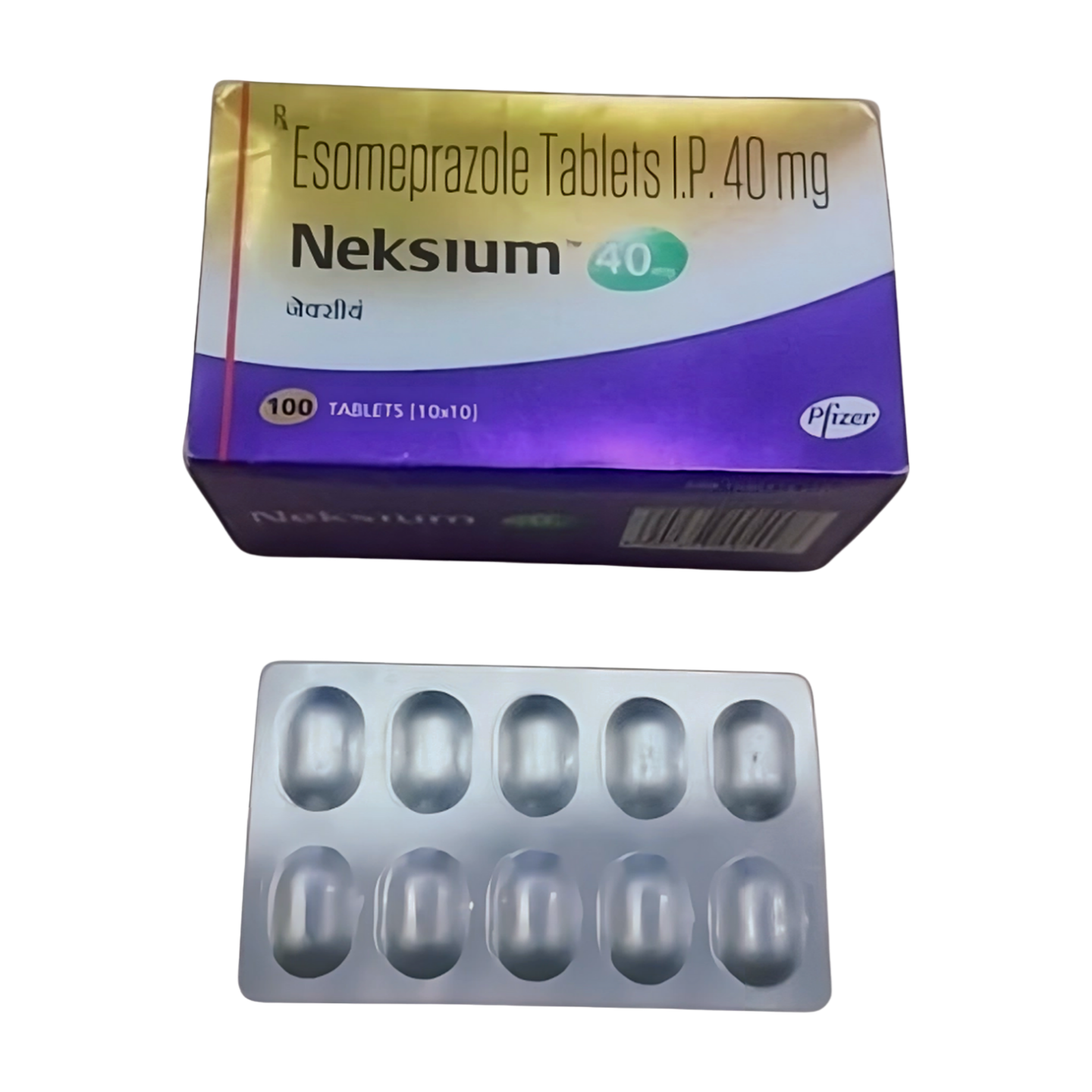
Neksium 40 (esomeprazole 40mg.) belongs to a class of drugs called proton pump inhibitors (PPIs) that block the production of acid in the stomach. Proton pump inhibitors are used to treat conditions such as stomach and duodenal ulcers, gastroesophageal...