
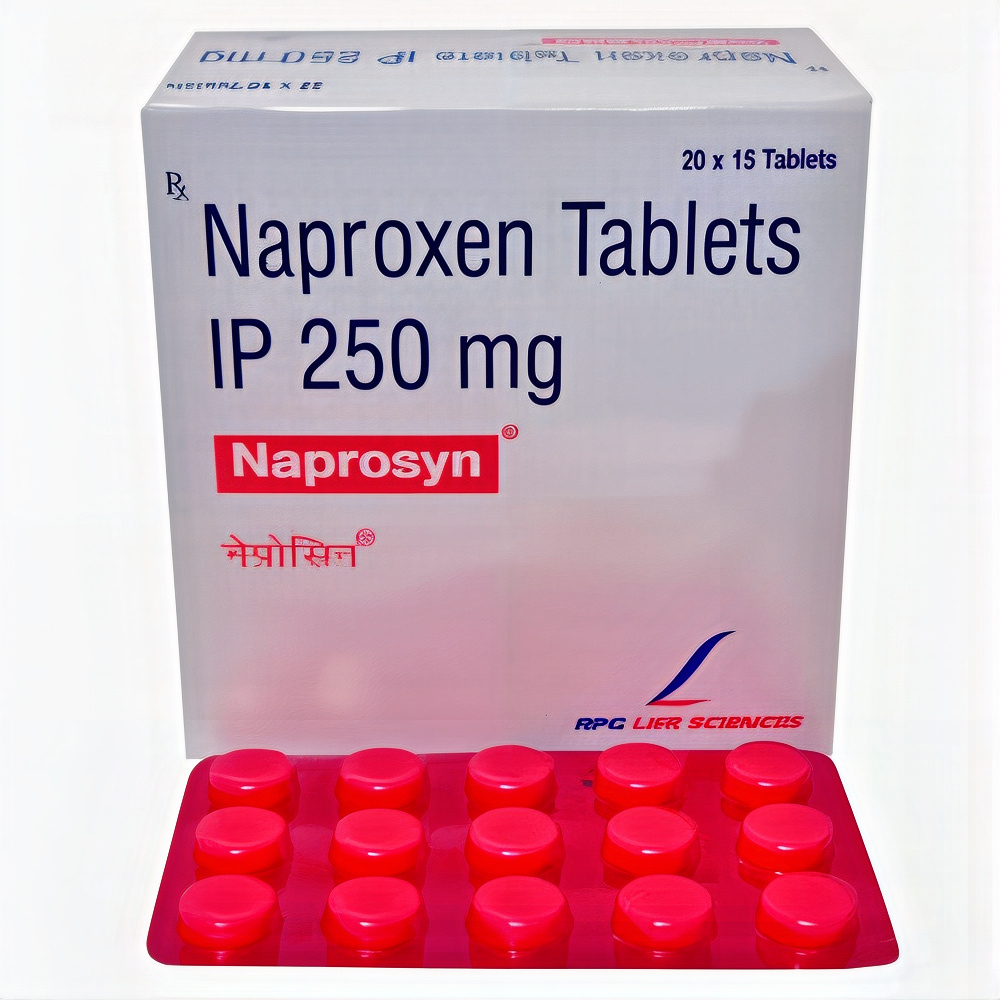
Naprosyn 250mg Tablet (Naproxen 250mg) Naprosyn 250mg Tablet (Naproxen 250mg) is a pain-relieving medicine designed to alleviate discomfort and inflammation associated with a variety of conditions. It is effective in managing pain from osteoarthritis, rheumatoid arthritis, ankylosing spondylitis, gout, and juvenile arthritis. Additionally, it can also relieve muscle and joint pain, headaches, toothaches, and menstrual cramps. To reduce side effects and avoid stomach upset, it should be taken with food. Uses Of Naprosyn 250mg Tablet (Naproxen 250mg) Treatment of Osteoarthritis Treatment of Rheumatoid Arthritis Treatment of Ankylosing Spondylitis Treatment of Gout Treatment of Juvenile Arthritis Treatment of Osteoarthritis. Naprosyn 250mg Tablet (Naproxen 250mg) offers relief from the chronic pain and stiffness associated with osteoarthritis, allowing better joint mobility and quality of life. Treatment of Rheumatoid Arthritis. It helps manage the persistent inflammatory pain and joint swelling caused by rheumatoid arthritis, thus improving daily functioning. Treatment of Ankylosing Spondylitis. For ankylosing spondylitis, this medicine alleviates the pain and stiffness of the spine and other joints, enhancing movement and comfort. Treatment of Gout. Naprosyn 250mg Tablet reduces the sharp pain and swelling from gout attacks, providing rapid relief. Treatment of Juvenile Arthritis. It is effective in reducing inflammation and joint pain in young patients with juvenile arthritis. Safety & Precautions Avoid alcohol while using Naprosyn 250mg Tablet (Naproxen 250mg). Inform your doctor if you have kidney problems. Tell your doctor if you have asthma. Discuss any blood disorders with your doctor before taking this medicine. Review all other medications with your doctor to avoid interactions. Consult your doctor during pregnancy. Use caution if you have liver disease. Do not take more than the prescribed dose. Take with food to minimize stomach issues. If symptoms persist or worsen, contact your healthcare provider. Side Effects Most side effects do not require any medical attention and disappear as your body adjusts to the medicine. Consult your doctor if they persist or if you're worried about them. Indigestion Abdominal pain Nausea Headache Rash Bruises Edema (swelling) FAQ 1. How should I take Naprosyn 250mg Tablet (Naproxen 250mg)? Take this medicine exactly as prescribed by your doctor. Swallow the tablet whole with water, preferably with food to avoid stomach irritation. Do not chew, crush, or break the tablet. Consistent use as directed will provide optimal relief from pain and inflammation. 2. Can I consume alcohol while taking Naprosyn 250mg Tablet (Naproxen 250mg)? It is not recommended to consume alcohol while taking this medication. Alcohol can increase the risk of stomach bleeding and liver damage while using non-steroidal anti-inflammatory drugs (NSAIDs) like Naprosyn 250mg Tablet. 3. Is Naprosyn 250mg Tablet (Naproxen 250mg) safe during pregnancy? Naprosyn 250mg Tablet may be unsafe during pregnancy. While human studies are limited, animal research has shown potential harm to the developing baby. It is crucial to consult your doctor to weigh the benefits and risks before taking this medication during pregnancy. 4. Can I take Naprosyn 250mg Tablet (Naproxen 250mg) if I have kidney problems? If you have kidney problems, you should use this medication with caution. Dosage adjustments may be necessary. It is essential to discuss any existing kidney conditions with your doctor before starting this treatment to ensure proper monitoring and safety. 5. What should I do if I miss a dose of Naprosyn 250mg Tablet (Naproxen 250mg)? If you miss a dose, take it as soon as you remember. If it is already close to the time of your next dose, skip the missed dose and resume your regular dosing schedule. Do not take a double dose to make up for a missed one as this can increase the risk of side effects. 6. What are some common side effects of Naprosyn 250mg Tablet (Naproxen 250mg)? Some common side effects include indigestion, abdominal pain, nausea, headache, rash, bruising, and edema (swelling). These side effects typically resolve on their own as your body adjusts to the medication. However, if they persist or worsen, consult your doctor for advice. Read more Additional Information Product Description NAPROSYN Tablets Yellow, capsule-shaped oral tablets containing 500 mg of naproxen. EC-NAPROSYN Enteric-coated, delayed-release tablets available as white tablets containing 375 mg or 500 mg of naproxen. ANAPROX DS Dark blue, oblong-shaped tablets for oral administration. Contains 550 mg of naproxen sodium. Drug Interactions Naprosyn Tablets, EC-Naprosyn, and Anaprox DS can potentially interact with various other medications, which may lead to serious adverse effects or diminished efficacy of one or both of the medications. **Anticoagulants**: Concomitant use with anticoagulants like warfarin increases the risk of serious bleeding. **SSRIs and SNRIs**: Use with selective serotonin reuptake inhibitors (SSRIs) and serotonin norepinephrine reuptake inhibitors (SNRIs) can increase the risk of bleeding due to their effect on platelet aggregation. **Aspirin**: Naproxen can interfere with the antiplatelet effect of low-dose aspirin, potentially reducing its efficacy in preventing cardiovascular events. **ACE Inhibitors and ARBs**: NSAIDs may reduce the antihypertensive effect of ACE inhibitors, angiotensin receptor blockers, and beta-blockers. **Diuretics**: Post-marketing observations indicate that NSAIDs can reduce the natriuretic effect of loop diuretics and thiazides, which may lead to worsening renal function. **Lithium**: Naproxen may increase plasma lithium levels by reducing renal lithium clearance, potentially leading to toxicity. **Methotrexate**: Concomitant use may increase the risk of methotrexate toxicity due to decreased renal clearance. **Cyclosporine**: Co-administration can increase the nephrotoxicity of cyclosporine. **Other NSAIDs and Salicylates**: Increased risk of gastrointestinal toxicity with little or no increase in efficacy. **Pemetrexed**: Increased risk of myelosuppression, renal, and gastrointestinal toxicity, particularly in patients with moderate renal impairment. Drug Interaction Type Clinical Impact Intervention Anticoagulants Increased risk of bleeding Synergistic effect on bleeding Monitor for signs of bleeding Aspirin Interference with antiplatelet activity Reduced efficacy in cardiovascular protection Consider alternate analgesics ACE Inhibitors and ARBs Reduced antihypertensive effect Diminished blood pressure control Monitor blood pressure Diuretics Reduced natriuretic effect Worsening renal function Monitor for renal function Lithium Increased plasma lithium levels Lithium toxicity Monitor lithium levels Methotrexate Increased methotrexate toxicity Higher risk of neutropenia and thrombocytopenia Monitor for toxicity Cyclosporine Increased nephrotoxicity Worsened renal function Monitor renal function Other NSAIDs Increased GI toxicity Greater risk of GI adverse events Avoid concomitant use Management of Pain, Dysmenorrhea, and Tendonitis Naprosyn Tablets, EC-Naprosyn, and Anaprox DS have specific dosing protocols for managing pain, primary dysmenorrhea, and acute tendonitis and bursitis. **For pain management and dysmenorrhea**: **Starting dose**: 550 mg of Anaprox DS followed by 550 mg every 12 hours or 275 mg every 6-8 hours as required. **Maximum initial daily dose**: Should not exceed 1375 mg of naproxen sodium. **Subsequent daily dose**: Should not exceed 1100 mg of naproxen sodium. **For acute tendonitis and bursitis**: **Starting dose**: 500 mg of Naprosyn followed by 250 mg every 6-8 hours as required. **Total daily dose**: Should not exceed 1250 mg of naproxen. Naproxen sodium, available in Anaprox DS, is more rapidly absorbed, making it suitable for conditions requiring prompt onset of pain relief. EC-Naprosyn is not recommended for initial treatment of acute pain due to delayed absorption. Polyarticular Juvenile Idiopathic Arthritis In pediatric patients, naproxen solid-oral dosage forms may not allow for flexible dosing. A liquid formulation is recommended for weight-based dosing. The total daily dose of naproxen is approximately 10 mg/kg given in divided doses. Dosage Recommendations for Specific Conditions The recommended dosages for managing rheumatoid arthritis, osteoarthritis, and ankylosing spondylitis vary based on the specific product: Condition Product Dosage Rheumatoid Arthritis, Osteoarthritis, Ankylosing Spondylitis NAPROSYN Tablets 500 mg twice daily ANAPROX DS 550 mg twice daily EC-NAPROSYN 375 mg or 500 mg twice daily In long-term administration, the naproxen dose may be adjusted depending on the clinical response. Typical cases allow for reducing the total daily dose if appropriate and increasing it up to 1500 mg per day for limited periods when necessary. Use in Pediatric Patients Safety and efficacy in pediatric patients below the age of 2 years have not been established. For those aged 2 years and older, appropriate single doses range from 2.5 to 5 mg/kg as naproxen suspension, with a total daily dose not surpassing 15 mg/kg/day. Storage and Handling Product Formulation Storage Conditions Packaging NAPROSYN Tablets 500 mg 15°C to 30°C (59°F to 86°F) Bottles of 100 EC-NAPROSYN 375 mg and 500 mg 15°C to 30°C (59°F to 86°F) Bottles of 100 ANAPROX DS 550 mg 15°C to 30°C (59°F to 86°F) Bottles of 100 Clinical Pharmacology The mechanism of action for naproxen involves the inhibition of cyclooxygenase (COX-1 and COX-2), which reduces the synthesis of prostaglandins—mediators of inflammation and pain. ANAPROX DS (naproxen sodium) provides rapid pain relief due to its high absorption rate. Pharmacokinetics studies show that naproxen is rapidly and completely absorbed with an in-vivo bioavailability of 95%. The elimination half-life ranges from 12 to 17 hours, and steady-state levels are reached within 4 to 5 days. Special Populations **Pediatric Patients**: Plasma levels following a 5 mg/kg single dose of naproxen suspension in children aged 5 to 16 years were similar to those in adults. Pharmacokinetics for younger patients were not performed. **Geriatric Patients**: Elderly patients may have higher unbound plasma fractions of naproxen, indicating potential sensitivity to adverse effects. **Hepatic and Renal Impairment**: Naproxen is extensively metabolized in the liver and is predominantly excreted by the kidneys. Reduced excretion may occur in patients with severe renal impairment. The information presented aims to ensure healthcare providers administer Naprosyn Tablets, EC-Naprosyn, and Anaprox DS appropriately, continuously evaluating the balance between potential benefits and risks [1]. Understanding these aspects assists in delivering safe and effective patient care [2]. References: Mayo Clinic. (2023). Nonsteroidal Anti-inflammatory Drugs (NSAIDs). Retrieved from [https://www.mayoclinic.org](https://www.mayoclinic.org) University of Cambridge, School of Clinical Medicine. (2023). Drug Interactions with NSAIDs. Retrieved from [https://www.medschl.cam.ac.uk](https://www.medschl.cam.ac.uk)
Price: $66.00 from HealthyRXS
| Stockist | Price | |
|---|---|---|
| $66.00 | Visit Store |

Xbira 250mg Tablet (Abiraterone Acetate 250mg) is utilized primarily in the treatment of prostate cancer. It may also be recommended for other medical conditions as determined by your healthcare provider. Often used in combination with other medications...
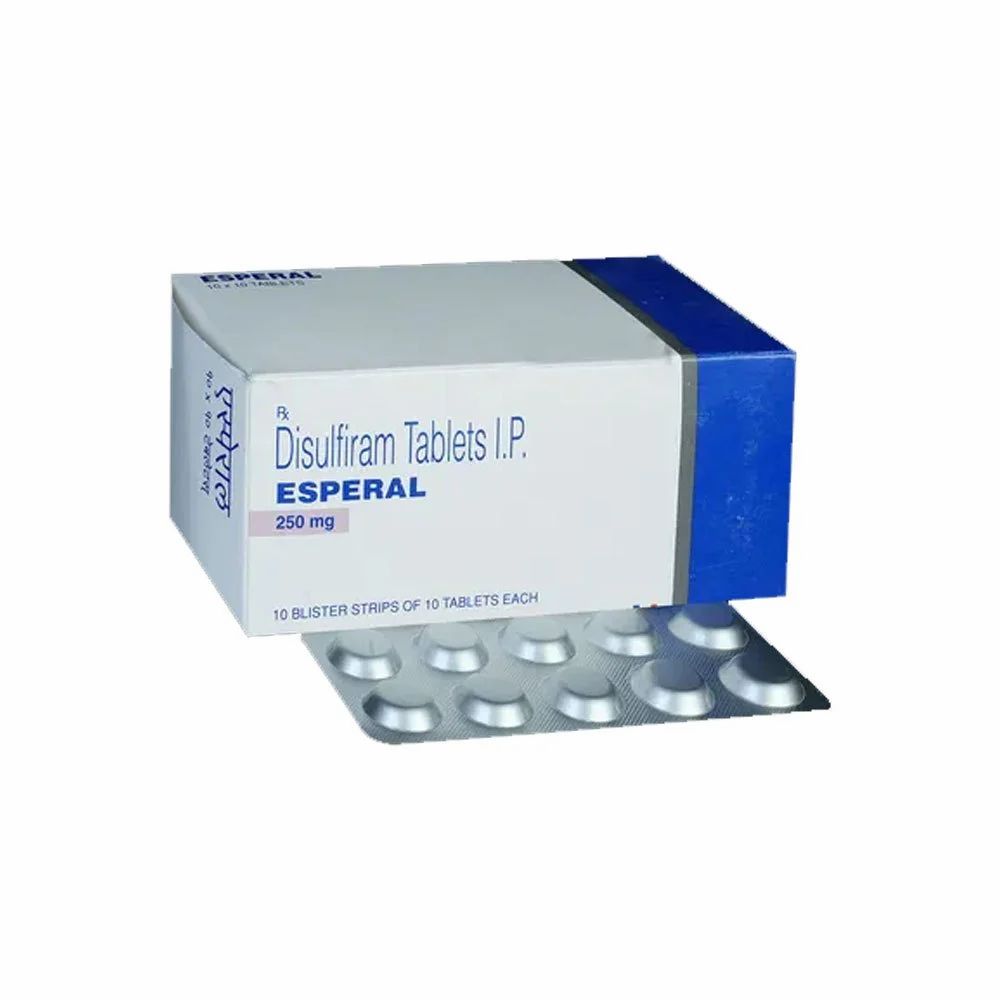
Esperal Tablet (Disulfiram 250mg) Esperal Tablet (Disulfiram 250mg) is a specialized medication designed for the treatment of alcohol addiction. It operates by triggering adverse reactions when alcohol is consumed, such as nausea, facial flushing, and...

Penvir 250 (Famciclovir 250mg) Penvir 250 Tablet is an antiviral medicine. It helps in treating viral infections like herpes labialis, herpes simplex virus infections, shingles, and genital herpes infections. It prevents the multiplication of viruses...